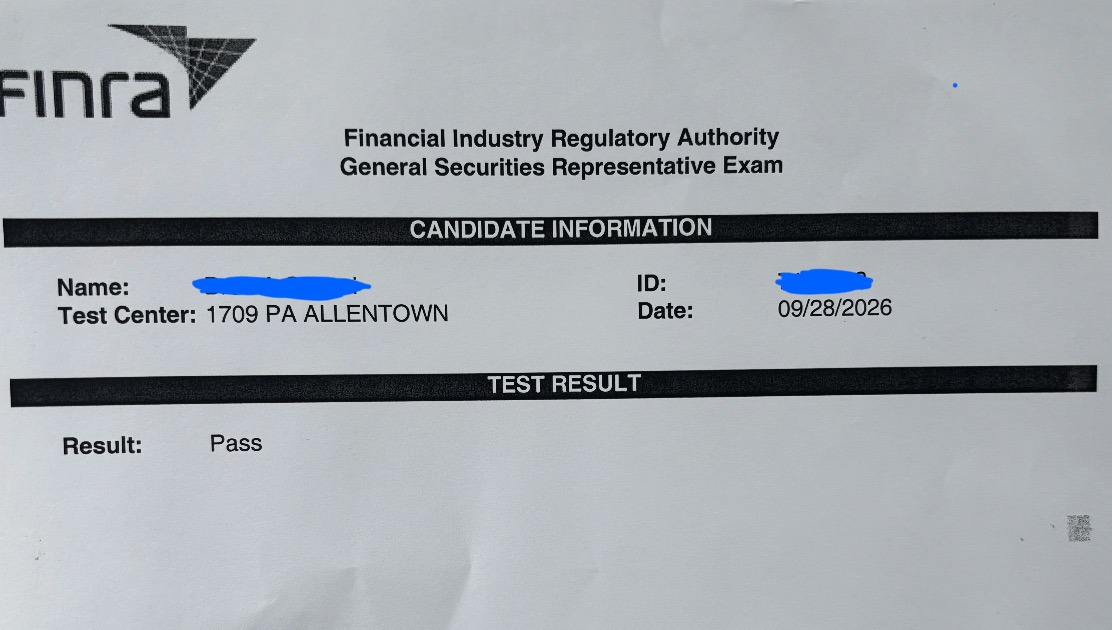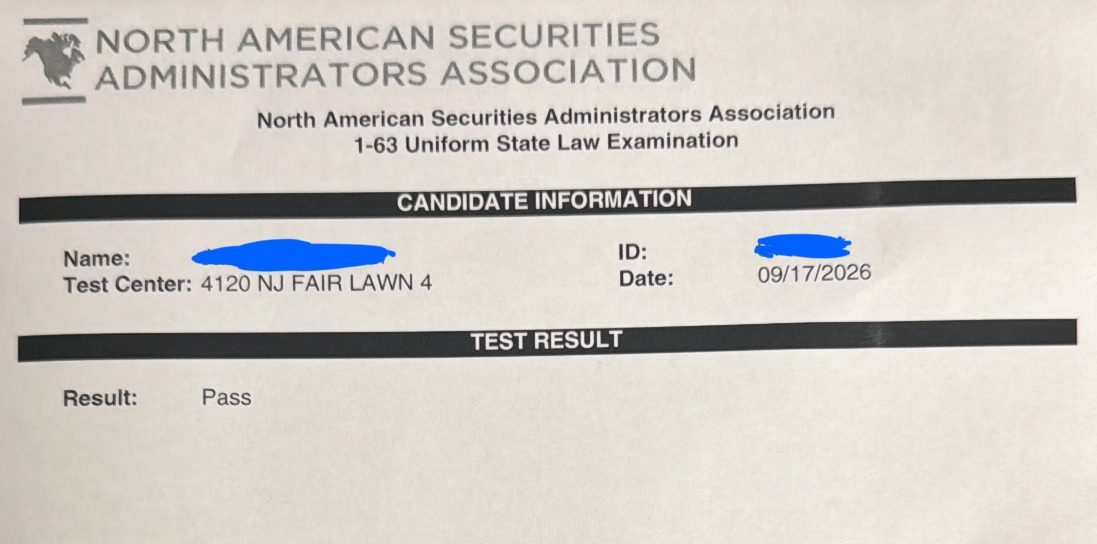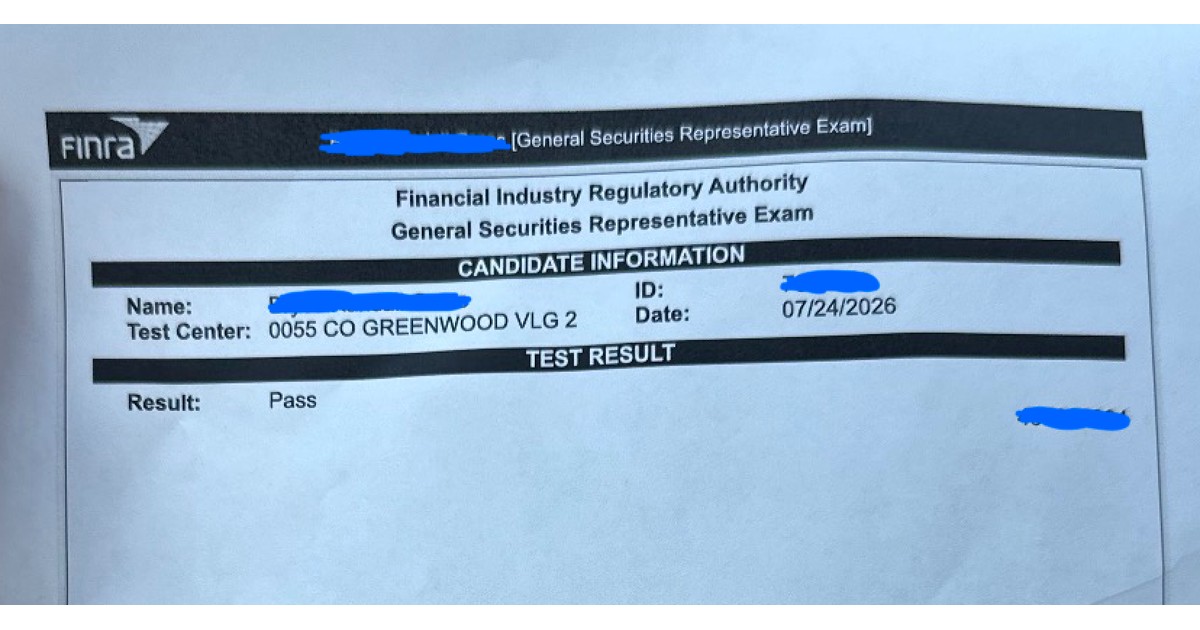
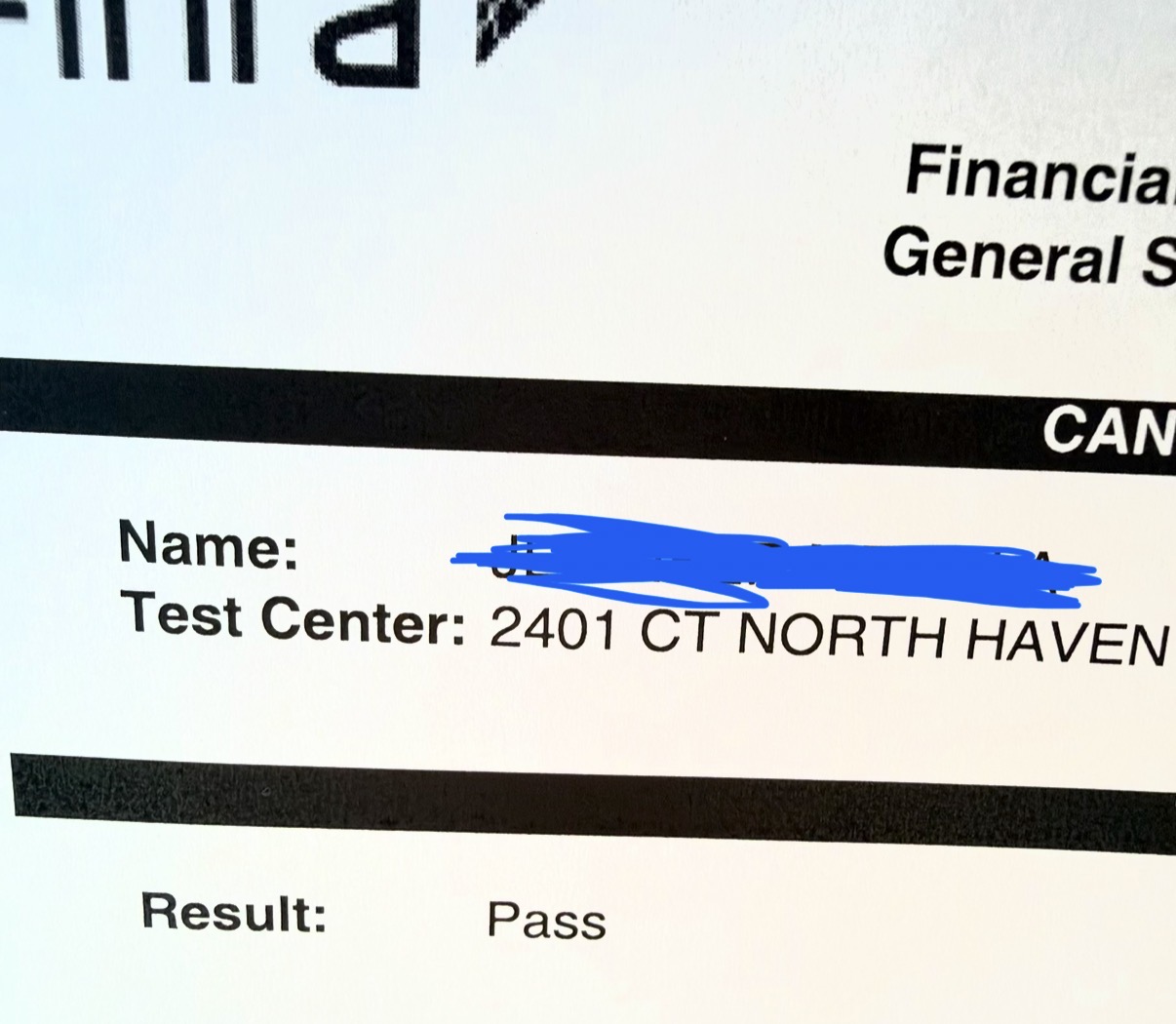
"How long do I really need to study for the Series 7?" It's the first thing almost every candidate asks, and the honest answer is less about the number of weeks and more about how you spend the last one. A student who just passed at a Connecticut test center in June 2026 is a clean example: the foundation took time to build, but the pass was won in a tight, high-intensity final sprint of realistic questions.
The honest answer on timeline
There's no magic number, and anyone who gives you one flat figure is selling something. How long you need depends on three things: how fresh your securities knowledge is, how many focused hours you can put in each week, and how quickly you turn practice questions into understanding. Someone coming straight off the SIE with finance experience needs far less runway than someone starting cold. What's consistent across everyone who passes is the shape of the finish — the final stretch is dense, question-driven, and relentless about fixing weak spots.
What this student's final week actually looked like
In the run-up to test day, this student ran 28 practice quizzes on our Series 7 question bank, answering 229 of 280 questions correctly. Their average landed at 84.8%, and their strongest sessions hit a clean 100%. That's the pattern we see from nearly everyone who passes: a steady climb into the mid-80s and above on realistic questions, with every wrong answer read, understood, and drilled until it stopped being a weak spot.
Notice what that isn't. It isn't passively re-reading a textbook for the tenth time. Every one of those reps was an active, exam-style question with immediate feedback — the fastest way to find out what you actually know versus what you only recognize.
Why the final stretch matters more than the total
The Series 7 rewards application, not recall. It constantly reframes the same concept — an options strategy, a margin call, a municipal bond's tax treatment — so that memorizing a fact does nothing but recognizing the mechanism gets you the point. That's why grinding realistic questions late in your prep matters so much more than how many weeks you logged early on. The questions are where memorized facts get stress-tested and either hold up or fall apart while there's still time to fix them.
How to structure your own final sprint
Go question-first. Once you've been through the material once, your time is better spent answering questions than re-reading. Let your misses tell you where to go back.
Track accuracy by topic, not just overall. An 85% average can hide a 60% section that will sink you. Pour your remaining hours into anything sitting below the line.
Read every explanation — especially on the ones you got right. Getting a question right for the wrong reason is a trap that surfaces on test day, not before it.
Simulate before you sit. Full-length, timed practice builds the stamina you need to stay sharp through a long exam, so the real thing feels like something you've already done.
Get to your pass faster
If you want the exact question bank this student used — mechanism-first explanations and questions that mirror the real exam so you can find and close your gaps — start with our Series 7 study guide. And if your practice scores are stuck below the line or a specific section won't click, that's usually a framing problem more study hours won't fix; a private session lets us pinpoint what's actually costing you points and remove it. Study from the real thing — check the official Series 7 exam outline so you're never guessing at scope — and when you're ready to make your final week count, book a private session and let's get your Series 7 done.
Short on time before test day? A Series 7 tutor can compress your review to what matters most.