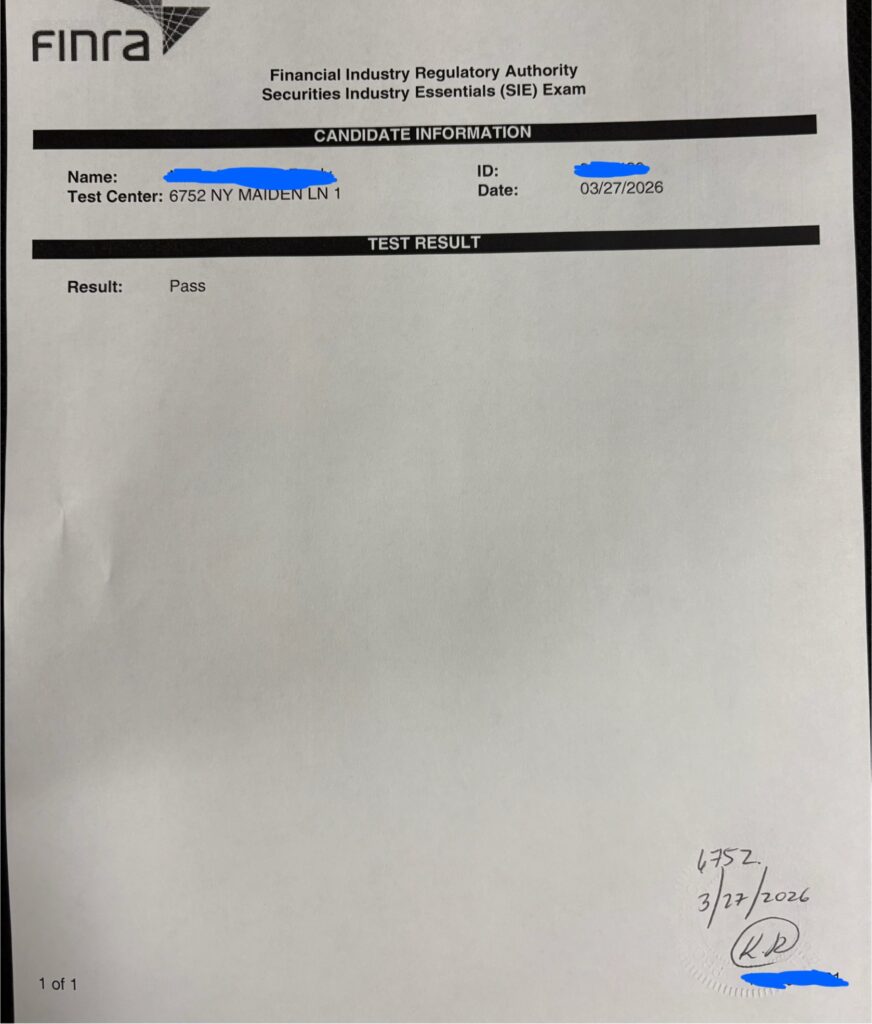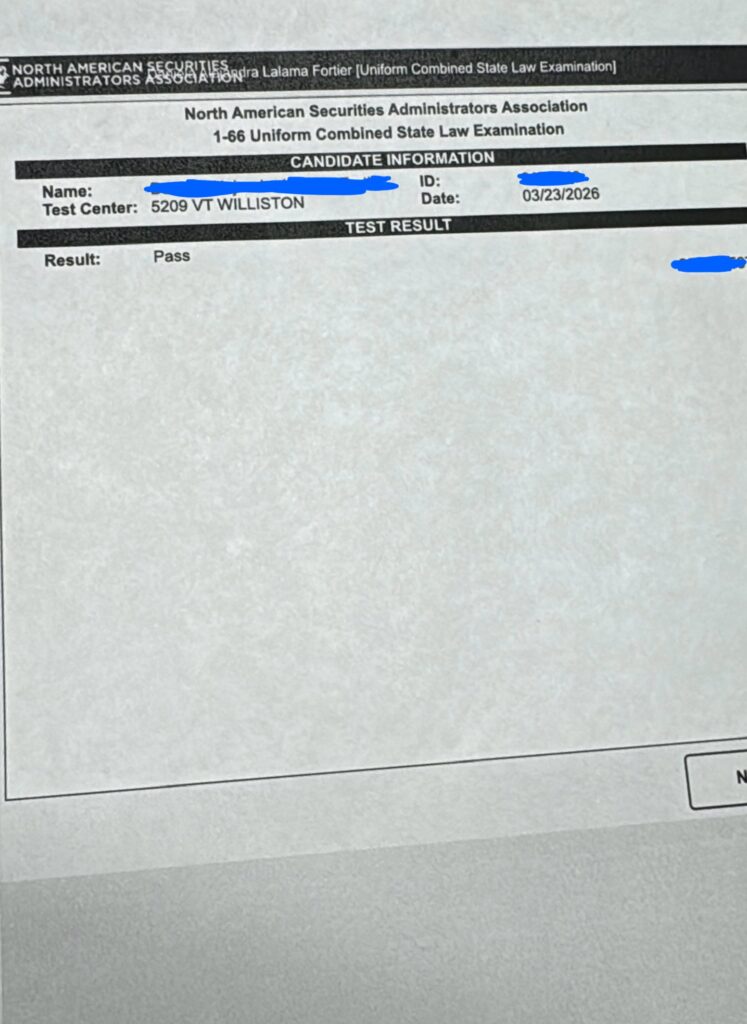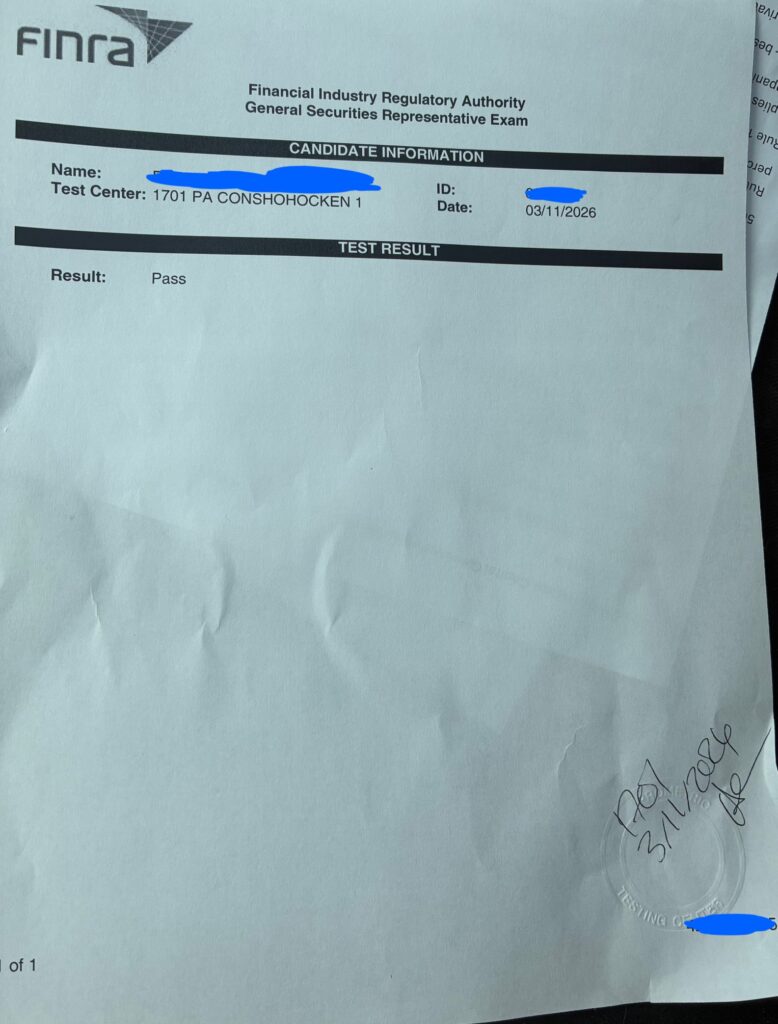
Recent Series 63 Pass: January 2026 Student Success
Another recent Series 63 pass is a strong reminder that success on this exam usually comes from focusing on the right material.
At Exam Bootcamp, we recently worked with a student who passed the Series 63, and the biggest difference was not random repetition or generic test-taking tips. It was spending time on the actual content areas that matter most for this exam and making sure the student understood how the rules apply in real situations.
If you are searching for how to pass the Series 63 exam, the best place to start is with the official outline and a study plan built around it.
You can learn more about our programs at Exam Bootcamp or get individualized support through our Private Sessions page.
What the Series 63 Exam Actually Covers
The Series 63 is centered on state securities law. It is not just about memorizing definitions. Students need to understand how the Uniform Securities Act works, how state rules apply to agents and broker-dealers, and what qualifies as dishonest or unethical business practices.
A strong place to begin is the official Series 63 Exam Content Outline from NASAA. Using the outline helps students stay focused on the real exam instead of studying in circles.
What We Focused on With a Recent Student Who Passed
With this student, we spent less time on general study advice and more time on the actual Series 63 material that tends to cause mistakes.
Registration of persons and securities
One of the biggest areas we reviewed was registration. That included when an agent must register, how broker-dealers fit into the state framework, and when a security may be exempt or excluded.
This is one of the most important parts of the exam because students often confuse:
exempt securities
exempt transactions
who must register
when state authority applies
Once those distinctions become clearer, many questions get easier.
State securities administrator powers
We also spent time reviewing the authority of the administrator. This is an area that students sometimes rush through, but it matters.
We focused on:
investigations
subpoenas
enforcement powers
recordkeeping requirements
cease and desist authority
civil and criminal penalties
Understanding what the administrator can and cannot do helps students answer law-based questions more confidently.
Ethical practices and prohibited conduct
This was a major focus area. A lot of Series 63 questions are built around whether conduct is proper, improper, or clearly unethical.
We reviewed topics such as:
misrepresentation
omission of material facts
unsuitable recommendations
excessive trading
unauthorized discretion
sharing in client gains or losses
borrowing from or lending to clients
improper handling of customer funds and securities
This is where many students gain or lose points because the exam often tests whether you can identify what crosses the line.
Client accounts and communication rules
We also worked on account-related topics and communication standards. These details matter because they often show up in practical scenarios.
That included:
account documentation
customer consent
disclosure expectations
custody-related issues
advertising and sales literature concerns
required approvals and limitations
For many students, this section becomes easier once they stop trying to memorize isolated rules and instead understand the purpose behind them.
Fraud, dishonest practices, and real-world application
The Series 63 is not just a vocabulary exam. It often asks students to apply a rule to a scenario and decide what is lawful, unlawful, ethical, or unethical.
That is why we spent time walking through examples and asking:
what happened here
which party is responsible
what rule is being tested
what detail changes the answer
That kind of review helps students connect the law to actual decision-making.
How to Pass the Series 63 Exam
If you want to know how to pass the Series 63 exam, the best approach is to organize your preparation around the actual exam content and spend more time on the areas that tend to cause confusion.
That usually means focusing on:
registration rules
exempt and excluded securities
exempt transactions
powers of the administrator
ethical and unethical business practices
customer account and communication rules
application of state law in real scenarios
Students usually improve faster when they stop treating the Series 63 like a memorization-only exam and start studying it by category, rule application, and scenario analysis.
Why This Approach Works
With this recent student, the biggest improvement came from tightening up the areas that matter most instead of reviewing everything equally.
Once the student became stronger on registration, administrator authority, and unethical practices, the exam became much more manageable. That is often what happens with the Series 63. The material starts to click when students understand the framework behind the questions.
This is also why structured prep matters. A clear study approach helps students stop wasting time and start working on the areas that actually move scores.
How Exam Bootcamp Helps Students Prepare
At Exam Bootcamp, we help students prepare for the SIE, Series 3, Series 6, Series 7, Series 63, Series 65, and Series 66 with focused, practical support.
Students often come to us needing help with:
understanding state law concepts
clearing up registration confusion
identifying ethical practice issues
organizing their study plan
getting more targeted review before exam day
For students who want one-on-one support, our Private Sessions are designed to help with the exact topics that are causing trouble.
Start With the Right Outline
One of the best ways to improve your Series 63 preparation is to study with the official framework in front of you. The NASAA Series 63 Exam Content Outline is a strong starting point because it keeps your review tied to the real exam structure.
That makes it easier to build a study plan that is focused, practical, and relevant.
Final Thoughts
Another recent Series 63 pass shows that success on this exam is not about luck. It comes from studying the right topics, understanding how state securities laws apply, and spending time where it matters most.
If you are looking for how to pass the Series 63 exam, start with the official outline, focus on the core legal and ethical concepts, and get support where you need it.
Exam Bootcamp is here to help.