How to Pass the Series 66 Exam: What We Covered With a Recent Student
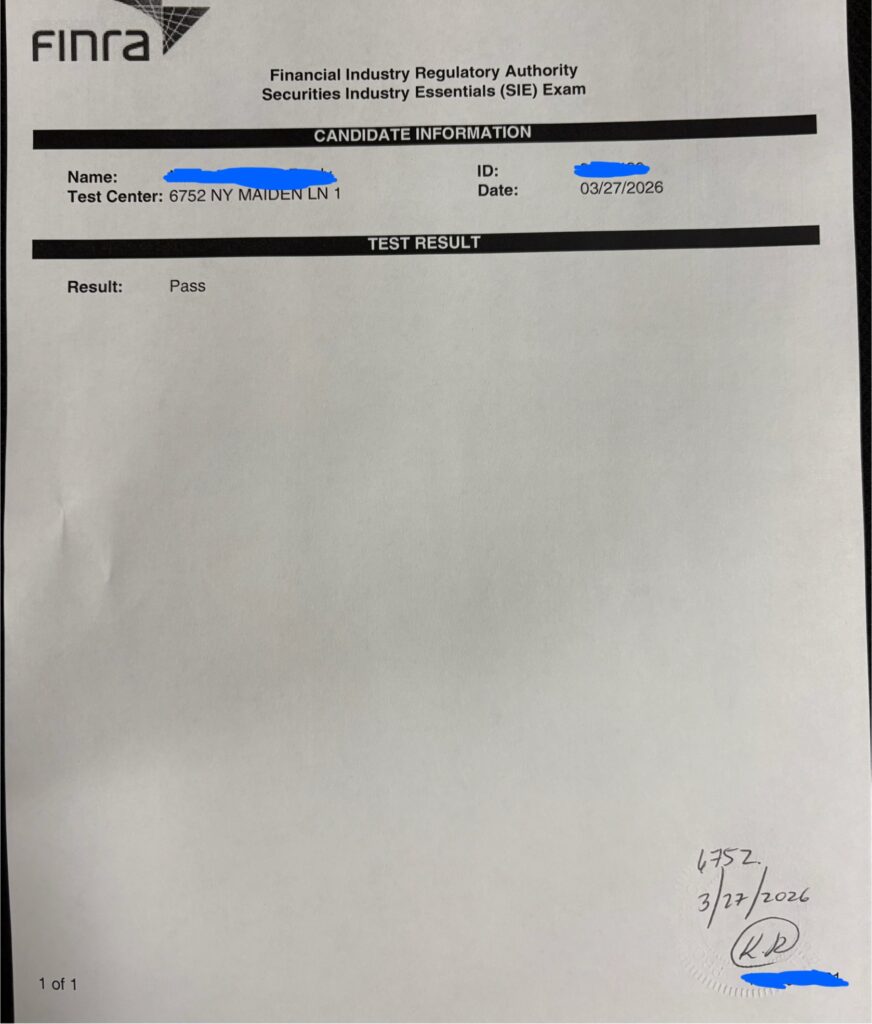
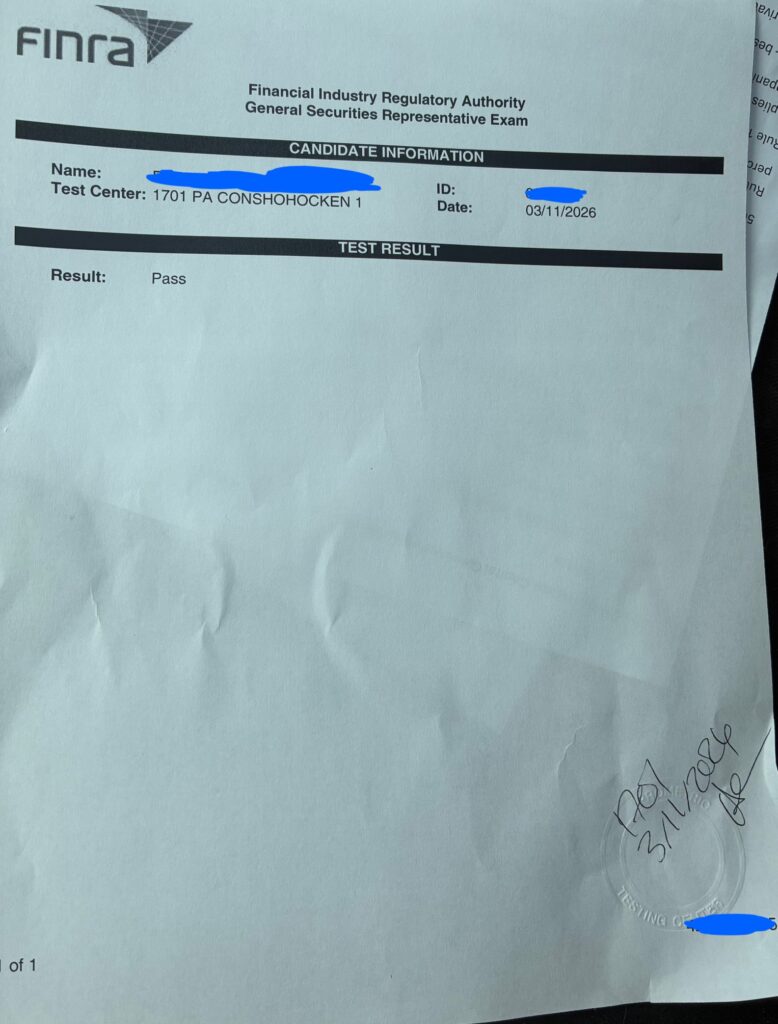
Another recent Series 66 pass is a good reminder that success usually comes down to studying the right material in the right way.
At Exam Bootcamp, we recently worked with a student who passed the Series 66, and the biggest difference was not generic test-taking advice. It was focusing on the actual topics that show up repeatedly and making sure the student understood how the rules, definitions, and recommendations work together.
If you are searching for how to pass the Series 66 exam, this is where to start.
You can learn more about our programs at Exam Bootcamp or get one-on-one help through our Private Sessions.
What the Series 66 Actually Tests
The Series 66 is built around four major content areas. If you want to prepare the right way, start with the official NASAA outline here:
Series 66 Exam Content Outline
That outline is useful because it keeps students focused on the real exam structure instead of random review. The Series 66 centers on:
economic factors and business information
investment vehicle characteristics
client investment recommendations and strategies
laws, regulations, and guidelines, including prohibited practices and ethical standards
When students struggle, it is usually because they spend too much time memorizing isolated facts and not enough time understanding how these categories connect.
What We Covered With a Recent Student Who Passed
With this student, we focused less on broad “study harder” advice and more on specific Series 66 content that tends to create problems on exam day.
1. Registration of persons and firms
One of the biggest areas we reviewed was registration. That included when an investment adviser must register, when a broker-dealer must register, and how to think through the difference between federal and state jurisdiction.
We also spent time on:
who qualifies as an agent
who qualifies as an investment adviser representative
common exclusions and exemptions
when registration is required versus when an exception applies
This is one of the most important foundations on the exam because many other questions build on it.
2. Investment adviser vs broker-dealer rules
A lot of Series 66 questions become easier once students clearly understand the distinction between investment advisers, broker-dealers, agents, and investment adviser representatives.
With this student, we worked on:
how compensation can affect classification
when advice is considered incidental
the difference between advisory activity and transaction-based business
how the role of the person or firm affects the rules that apply
Once that framework became clearer, the student was able to move through questions with more confidence.
3. Fiduciary duty, ethics, and prohibited practices
This was another major focus area. Many students miss points because they know the general idea of ethical conduct but do not know how to apply it to specific scenarios.
We reviewed:
fiduciary obligations
duties owed to clients
disclosure responsibilities
conflicts of interest
unethical business practices
custody-related issues
situations involving discretion, commingling, and improper conduct
These topics matter because the Series 66 often tests whether you can identify what crosses the line, not just define a term.
4. Client recommendations and suitability-style reasoning
We also spent a lot of time on recommendations. Even when students know investment products, they can still struggle with matching a recommendation to the client.
We worked through:
client profiles
financial status and objectives
risk tolerance
liquidity needs
tax considerations
time horizon
whether a recommendation fits the client’s actual circumstances
This area is important because the exam is not just about product knowledge. It is about whether a recommendation makes sense for that client.
5. Investment products and product characteristics
For this student, we reviewed the key features of common investment vehicles, especially where students tend to mix them up.
That included:
equities
debt securities
mutual funds
closed-end funds
ETFs
variable products
limited partnerships and other direct participation programs
options basics where relevant to recommendation logic
insurance-based products in the context of investor needs
The goal was not to memorize every detail in isolation. The goal was to understand how product features connect to risk, income, growth, liquidity, and suitability.
6. Balance sheet, income statement, and economic concepts
Students often overlook this section because they want to get straight into law and ethics. But the Series 66 still expects a working understanding of business and economic information.
We reviewed:
basic financial statements
interest rates
inflation
monetary and fiscal policy concepts
market risk and business-cycle effects
how economic conditions can affect investors and recommendations
This content is not always the biggest source of questions, but it matters enough that students should not ignore it.
7. Retirement plans and account types
Another area we covered was retirement accounts and tax-advantaged savings vehicles, especially where students confuse contribution rules, withdrawals, or account purpose.
We spent time on:
qualified plans
IRAs
education savings plans
account differences relevant to recommendations
tax considerations tied to account selection
This helped sharpen the student’s ability to answer recommendation questions more accurately.
How to Pass the Series 66 Exam the Right Way
If you want to know how to pass the Series 66 exam, the best approach is to organize your preparation around the actual outline and spend extra time on the areas that tend to cost students points.
That usually means:
mastering registration rules
understanding investment adviser and broker-dealer distinctions
getting comfortable with ethics and prohibited practices
improving client recommendation analysis
knowing the characteristics of major investment products
reviewing economic and financial statement basics
tightening up retirement plan and account knowledge
Students improve much faster when they stop treating the exam like a vocabulary quiz and start studying it by topic, rule application, and recommendation logic.
Why This Approach Helped the Student Pass
With this student, the biggest improvement came from drilling down into the exact areas where confusion was happening. Once the student became stronger on registration, ethics, recommendations, and product characteristics, the exam started to feel more manageable.
That is the real value of focused Series 66 prep. Instead of reviewing everything the same way, you spend more time on the subjects that carry the most weight and create the most mistakes.
Get Help With Your Series 66 Preparation
At Exam Bootcamp, we help students prepare for the SIE, Series 3, Series 6, Series 7, Series 63, Series 65, and Series 66 with structured, focused exam prep.
If you want individualized help on the exact topics giving you trouble, visit our Private Sessions page.
If you are preparing now and want a better way to approach the material, the official NASAA Series 66 Exam Content Outline is also a strong place to begin.
Final Thoughts
Another recent student pass shows that success on the Series 66 is not random. It comes from focusing on the actual content, understanding how the rules apply, and spending time where it matters most.
If you are looking for how to pass the Series 66 exam, start with the outline, build your prep around the most important categories, and get support where you need it.
Exam Bootcamp is here to help.